
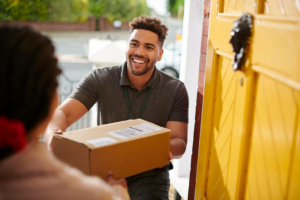
For an online business, making a sale is only one part of the customer journey. The order still needs to travel from the seller or fulfilment location to the customer.
That final stage is known as last-mile delivery, and it can have a significant impact on the customer’s overall experience.
A product may be excellent and the ordering process may be smooth, but an unclear or poorly managed delivery experience can leave a customer disappointed.
Here is what every online business should understand about last-mile delivery.
What is last-mile delivery?
Last-mile delivery is the final stage of the delivery process, when a shipment travels from a distribution point, warehouse, or local hub to its intended recipient.
Although it is called the “last mile,” the actual distance can be much shorter or longer than one mile.
This stage may involve coordinating delivery routes, confirming addresses, contacting recipients, and recording delivery outcomes.
Why is last-mile delivery important?
1. It shapes the customer experience
Delivery is often the final physical interaction a customer has with an online business after placing an order.
A well-coordinated delivery can leave a positive impression, while poor communication or repeated failed delivery attempts can create frustration.
Businesses should treat delivery as part of their customer experience rather than as an afterthought.
2. It affects operational costs
Failed delivery attempts, incorrect addresses, inefficient routes, and repeated coordination can increase the resources needed to complete an order.
Accurate delivery information and clear communication can help reduce avoidable complications.
3. It influences customer loyalty
Customers may be less likely to order again if they repeatedly experience unclear delivery updates or unexpected problems.
While businesses cannot control every external factor, they can work with logistics partners to set realistic expectations and keep customers informed.
Four ways to improve last-mile delivery
1. Verify delivery details. Confirm the recipient’s address, contact information, and any useful location instructions before dispatch.
2. Communicate delivery expectations. Give customers realistic information about expected delivery windows and communicate significant changes when possible.
3. Use shipment tracking. Where available, tracking updates help customers and businesses monitor delivery progress.
4. Choose a suitable logistics partner. Look for a provider whose service coverage, communication processes, and delivery capabilities match your business requirements.
Final thoughts
Last-mile delivery is more than transporting a package from one point to another. It connects your business’s promise to the customer’s actual experience.
For online sellers, improving this stage can support smoother operations, clearer communication, and stronger customer relationships.
At LevEx Integrated Logistics, we recognise the role delivery coordination plays in connecting businesses with their customers. Our aim is to support more organised, dependable logistics experiences.
Building an online business? Give your delivery process the same attention you give your products and customer service.