
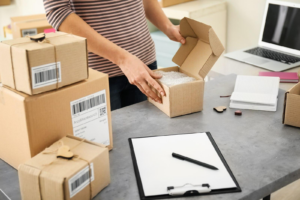
Before a shipment reaches its destination, it has to go through several stages of handling and transportation. During this process, poor packaging can increase the risk of damaged goods, misplaced items, and unnecessary delivery complications.
Whether you’re shipping products to customers or sending items to another business, proper packaging is an important part of the delivery process.
Here are five ways to prepare your packages for shipping.
1. Choose the right packaging material
Different products require different types of packaging. Fragile items may need protective cushioning, while clothing and other non-fragile products may be suitable for durable mailing bags.
Choose packaging that offers enough protection for the item’s weight, size, and fragility. Avoid using damaged boxes or packaging that may tear during handling.
2. Protect items from movement
Items that move around inside a package can become damaged during transportation.
Use appropriate cushioning materials to fill empty spaces and keep the contents secure. For fragile products, provide extra protection around vulnerable areas, such as corners, glass surfaces, or delicate components.
The aim is to minimise movement without making the package unnecessarily bulky.
3. Seal your package securely
A poorly sealed package can open during handling, potentially exposing the contents or causing items to fall out.
Use suitable packing tape to secure the main openings and seams of cardboard boxes. For heavier packages, reinforce the areas that are likely to experience stress.
Do not rely on tape alone to compensate for weak or damaged packaging.
4. Label your package correctly
Accurate shipping information helps reduce confusion during sorting and delivery.
Before handing over your package, check that the recipient’s name, address, contact details, and any required shipment references are correct and readable.
Remove or cover old shipping labels when reusing a box so that previous delivery information does not cause confusion.
5. Record important shipment details
For valuable or business-critical shipments, keep a record of what was packed and the shipment reference.
Depending on your shipping arrangement, photographs of the packaged item and its condition before dispatch may also be useful if a question arises later.
Always follow the carrier’s packaging rules and restrictions, especially for fragile, restricted, or hazardous items.
Final thoughts
Good packaging protects more than the item inside a box. It also protects your customer’s experience and your business’s reputation.
Before dispatching your next order, take a few minutes to protect the contents, seal the package, verify the label, and record the relevant details.
Remember: your packaging is part of your product experience. Make it count.