
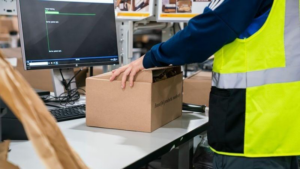
Shipping doesn’t always end when a package reaches a customer. Sometimes an item needs to be returned, exchanged, repaired, or sent back to a warehouse.
The process of moving goods from the customer back to a seller, warehouse, or another designated location is known as reverse logistics.
Why Reverse Logistics Matters
A clear returns process can help businesses manage several challenges.
Customer satisfaction: Customers are more likely to trust a business when its returns process is clear and convenient.
Inventory management: Returned products may need to be inspected, restocked, repaired, or removed from inventory.
Cost control: Poorly coordinated returns can lead to extra transportation costs, lost items, and processing delays.
Product visibility: Tracking returned items helps businesses understand where products are and what action is required.
How to Improve Your Returns Process
Create a clear returns policy
Explain which products can be returned, the conditions for return, applicable timelines, and who is responsible for shipping costs.
Make return instructions simple
Customers should know how to initiate a return, package the item, and arrange its collection or drop-off.
Record every return
Document the order reference, item details, return reason, and current status. This makes it easier to resolve issues and update inventory.
Coordinate transportation
Choose a reliable process for moving returned products to the correct destination. Confirm collection details and keep relevant parties informed.
Review return patterns
Repeated returns caused by damaged products, incorrect orders, or packaging problems may reveal issues that need attention.
Reverse logistics is an important part of managing the full product journey. A well-organized returns process helps businesses maintain visibility, manage costs, and provide better customer service.
By planning for returns as carefully as outgoing shipments, businesses can build a more dependable logistics operation.